
Thinking About Owning a Farm Property in Ontario? Read This First
Every few months, a client says it with shining eyes: "I want land. Space. Maybe some chickens." And I get it — after years of bidding wars on 600-square-foot condos, the idea of ten acres and a barn feels like freedom.
It can be. But farm ownership in Ontario is a different universe from residential real estate, with its own rules, costs, and beautiful-but-brutal realities. Here's what I want every aspiring farm owner to know before we start touring.
What should I know before buying a farm in Ontario?
First: you're not just buying a house, you're buying an operation — even if you never farm it. The land's zoning, its soil, its water, and its buildings all have to be evaluated separately from the farmhouse kitchen you fell in love with.
Start with zoning. Agricultural zoning governs what you can and can't do, and it's stricter than most buyers expect — severing lots, adding dwellings, or running non-farm businesses can all require approvals you shouldn't assume you'll get. If the property is inside or adjacent to the Greenbelt, additional protections apply.
What about wells, septics, and services?
This is where city buyers get their education. Many farm properties run on private wells and septic systems — which means you are the water utility and the sewage treatment plant. Before buying: get the well water tested (flow and quality), have the septic inspected by someone who does rural systems specifically, and budget for the day they need work. A new well or septic bed is a five-figure surprise you don't want.
Also check internet servicing. "Rural high-speed" is improving across Ontario, but verify what's actually available at the specific address — especially if anyone works from home.
Are there tax implications to farm ownership in Ontario?
Yes, and they cut both ways. Ontario's farm property tax classification can significantly reduce property taxes — but it comes with requirements about the farming activity on the land, and MPAC (the Municipal Property Assessment Corporation) applies specific eligibility requirements. If you're buying a farm property and not farming, understand exactly what tax class applies and what you'd pay without it. This is a matter for your accountant and lawyer — I'll gladly connect you with the right professionals.
What does day-to-day farm life actually cost?
More than the mortgage. Fencing, outbuilding maintenance, laneway upkeep (that 400-metre driveway doesn't plow itself), equipment or the cost of hiring every job out, higher heating bills for drafty century farmhouses, and the eternal truth that something always needs attention. Budget a healthy maintenance reserve — rural properties reward buyers who plan conservatively.
And the lifestyle math: the quiet is real, the stars are real, the space is real. So is the 40-minute drive for groceries and the neighbour who's a kilometre away when your furnace dies in February.
Is a farm property right for me?
If you want the lifestyle and you've budgeted for the reality — absolutely. Some of my happiest "clients for life" are people I helped move to acreage, because we went in with eyes open. If you want a big backyard without the big responsibilities, you might be happier with a rural residential lot instead of a working farm property. There's no shame in that — it's exactly the kind of honest conversation I'm here for.
Frequently asked questions
Can I buy a farm in Ontario if I'm not a farmer? Yes — non-farmers buy farm properties regularly. But understand the zoning, the tax classification rules, and what you can and can't do with the land before you commit.
What inspections does a farm property need? Beyond a standard home inspection: well flow and water quality testing, septic inspection, and ideally assessments of outbuildings, barn structures, and any fuel storage on site.
How is farm property taxed in Ontario? Farm-classified properties can qualify for significantly lower tax rates through the Farm Property Class Tax Rate Program, subject to eligibility requirements. Confirm the property's current classification and what you'd pay without it.
Can I sever part of a farm property to sell? Severances on agricultural land are tightly controlled in Ontario and often refused. Never buy assuming you'll be able to sever — get a planning opinion first.
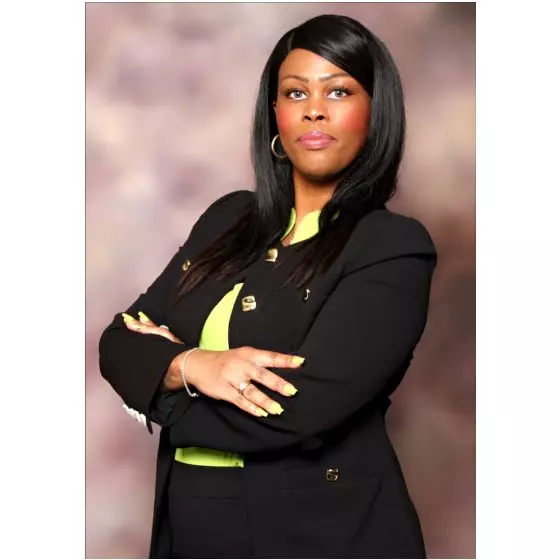
Heather Harding is a REALTOR® with Real Broker Ontario Ltd., Brokerage, serving Toronto, Etobicoke, Peel, York, Simcoe and the GTA. Dreaming of acreage? Let's make sure the dream survives the details — 647-964-5404 or propertyhuntwithheather@gmail.com. I do business with everyone that has a pulse.
Categories
Recent Posts
Real Estate Sales Representative
+1(647) 964-5404 | propertyhuntwithheather@gmail.com